The foundation for successful implants
What is a dental bone graft?
A dental bone graft is a surgical procedure that replaces or stimulates the growth of lost bone in the upper or lower jaw. It is most commonly required when bone volume is insufficient to support dental implants — a result of tooth extraction, untreated periodontal disease, trauma, or long-term denture use. Surgeons choose from four main graft materials: autograft (bone taken from the patient, typically the chin or jaw ramus, with the best integration rates), allograft (processed bone from a human donor bank), xenograft (usually bovine-derived, widely used for its osteoconductive properties), and alloplastic substitutes (fully synthetic, commonly calcium phosphate or hydroxyapatite). The graft acts as scaffolding for the patient's own bone cells to grow into and gradually replace. Common applications include socket preservation immediately after extraction to prevent ridge collapse, ridge augmentation for resorbed ridges, and sinus lifts for upper posterior implants where the sinus floor sits close to the ridge crest. In most cases, implant placement must wait 3 to 6 months for the graft to consolidate; in selected cases, simultaneous graft and implant placement is possible if sufficient initial stability can be achieved.
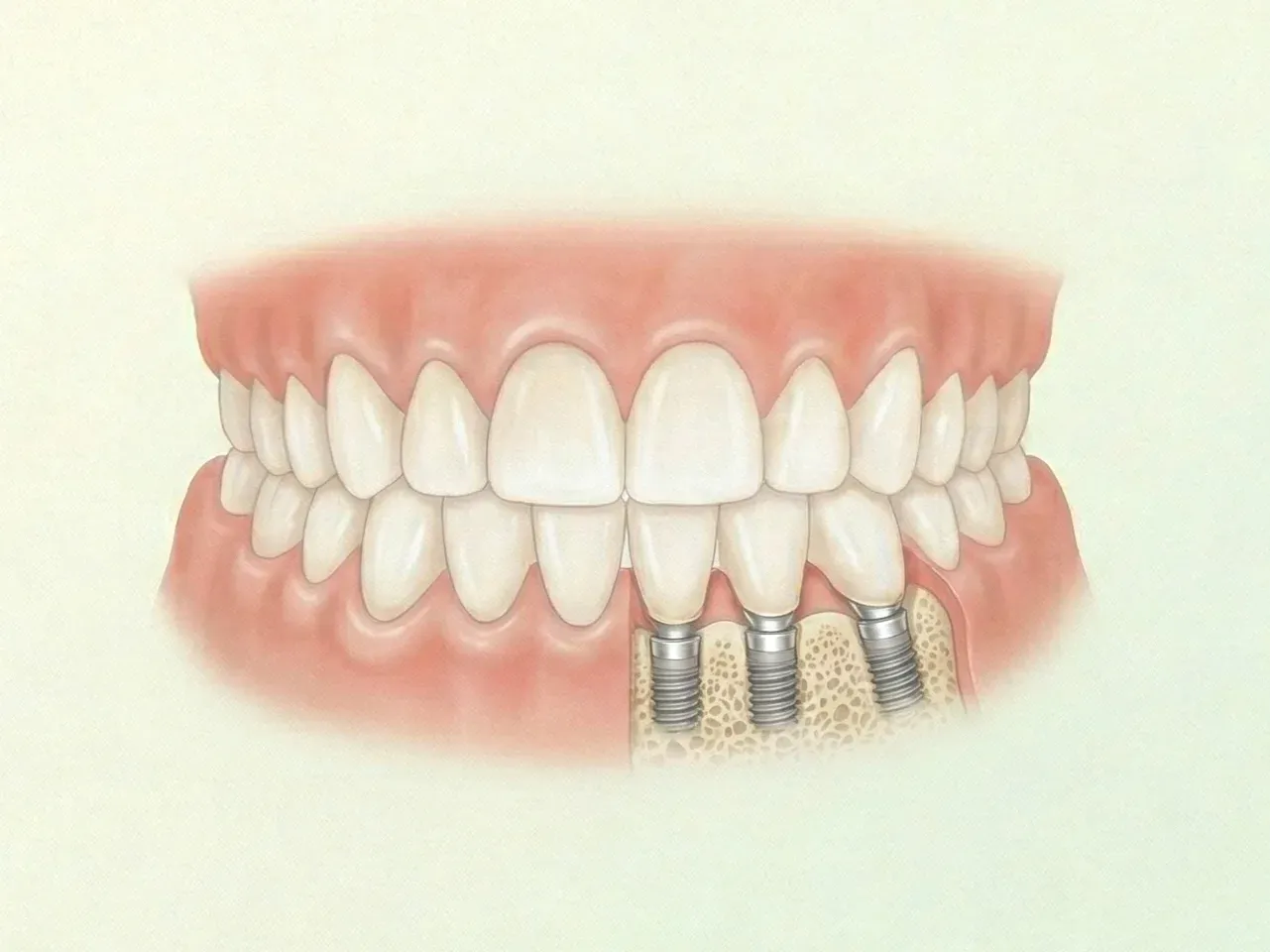
Bone Graft
Specialists in Bone Graft
Verified profiles in our directory who list Bone Graft among their treatments.
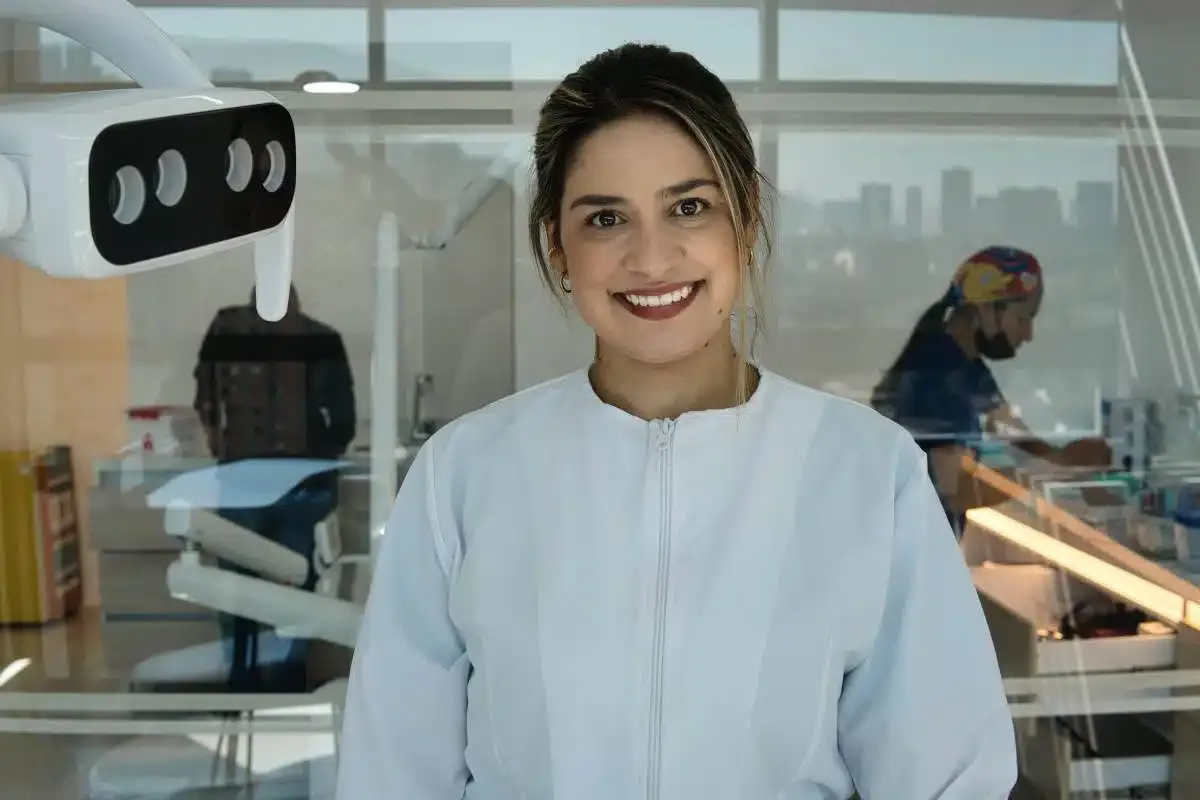
Periodontist and Implant Specialist Dentist
Dr. Natalia María Mira Rua
Periodontist and Implant Specialist Dentist from with more than 10 years of experience.

Dentist – Oral Implantology & Rehabilitation
Dr. Andres Alvarez
Dentist in Medellín specializing in oral implantology and dental rehabilitation, with over 15 years of experience and a private office in Belén.
Oral and Maxillofacial Surgeon
Dr. Andrés Peña
Oral and maxillofacial surgeon in Medellín with 25+ years of experience.
Dentist
Dra. Carolina Macareno Baquero
Dentist in Medellín focused on oral rehabilitation, implants, and smile design.
Dentist
Dr. Schneyder Montes
Dentist in Medellín offering 24-hour emergency dental care and a full range of dental services.
Clinics
Clinics offering Bone Graft
Verified dental clinics in our directory that list Bone Graft among their treatments.
Related Treatments
Also popular
Implant treatments that frequently require or are complemented by bone grafting.
Important
The information provided on this website is for educational and informational purposes only and is not intended or should be construed as professional medical advice, diagnosis, or treatment. Always seek the advice of your physician or other qualified health provider with any questions you may have regarding a medical condition.
If you have questions or concerns about your health, consult a health professional.